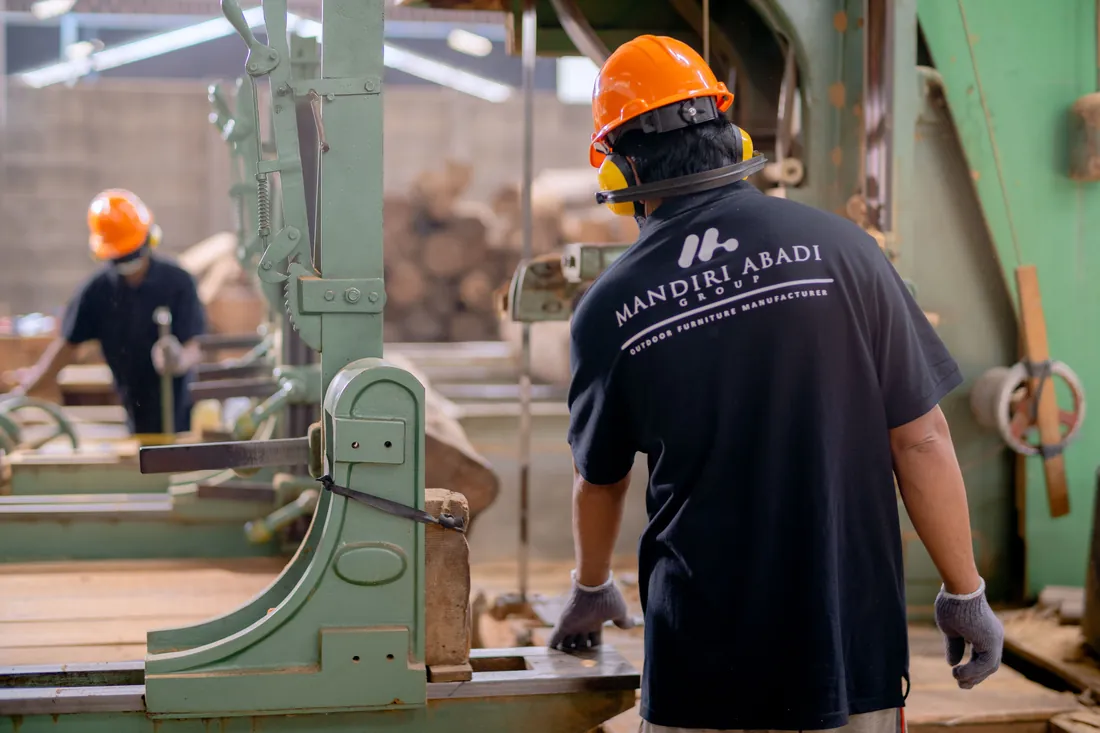
Manufacturing Businesses we help
The manufacturers who come to us are almost always dealing with a timing problem before they are dealing with a profitability problem: raw materials and labor are paid for up front, finished goods sit in inventory, and customer payment terms often run 60 to 90 days past delivery. An MCA taken to bridge one of those gaps rarely stays a one-time fix.
The patterns we see most often:
- Equipment financing stacked with MCA debt. Machinery and equipment notes that were manageable on their own become unworkable once a daily MCA debit is added on top.
- Raw material and inventory carrying costs. Materials have to be purchased and inventory built before a single unit ships, let alone gets paid for — a cash gap MCA brokers specifically target.
- Long customer payment terms. Net-60 and net-90 terms from larger customers or distributors are standard in manufacturing and rarely negotiable, no matter how tight the supplier's own cash position is.
- Seasonal or cyclical demand. Order volume tied to a customer's own seasonal cycle can leave a manufacturer carrying fixed overhead through slow stretches with no matching revenue.
Why manufacturers work with us
Manufacturing is a capital-intensive business with a working-capital cycle that MCA brokers understand well — and pitch into. The appeal of fast funding against future card or receivables volume is obvious when a supplier payment or payroll is due before a customer invoice clears.
We are not a lender and we are not paid on commission. We are paid by you, on a flat fee, to look at your full position — every open MCA, equipment note, line of credit, and your actual receivables aging — and tell you honestly what your options are.
Sometimes the answer is restructuring existing debt to match your real collection cycle. Sometimes it's refinancing equipment debt separately from working-capital debt so each is priced appropriately. Sometimes the math says settlement is the honest path. Our job is to give you that picture clearly, not to sell you a product.
How a consultation works
Step 1 — Position review. We map every open MCA, equipment note, line of credit, and unpaid receivable, along with your typical customer payment terms and production cycle.
Step 2 — Options modeling. We model realistic paths — restructuring, refinancing equipment separately from working capital, or settlement on specific positions — with costs, timelines, and risks for each.
Step 3 — Written decision framework. You leave with a written plan that fits your priorities: keeping production running, preserving supplier relationships, or protecting a personal guarantee.
What manufacturers should know about the law
A few realities are worth understanding before you sign anything new or negotiate anything existing. The U.S. Small Business Administration generally suggests total debt service should not exceed roughly 30% of gross revenue for a small business — for manufacturers with equipment financing already on the books, adding daily MCA debits on top of that baseline is one of the fastest routes to default.
Federal bankruptcy courts have increasingly scrutinized merchant cash advances as disguised loans rather than purchases of future receivables, which matters in negotiation and in any court proceeding. If your business has stacked more than one advance on top of existing equipment debt, our guide to evaluating an MCA stack walks through the questions worth answering before you negotiate. None of this is legal advice — it's context for sharper questions to your attorney.